


There are books you read for fun…
…and then there are the ones that save you.
When I was young, there was a time in my life when I was hurting in ways no one could see. I was suffering abuse—outside the protection of my home and family. The kind of pain that wraps itself in silence and shame, because you don’t know what words to use… or if you’re even allowed to say them out loud.
I didn’t know how to talk about it.
I didn’t know how to ask for help.
But I knew how to read.
And so, I found sanctuary in the pages of Charlie and the Chocolate Factory—and even more so, in the 1971 film Willy Wonka and the Chocolate Factory, starring Gene Wilder.
That story didn’t just entertain me.
It gave me hope.
Willy Wonka—eccentric, joyful, unpredictable—was the first adult character I’d ever seen who looked at children not as burdens or problems, but as possibilities. He believed in the impossible. He created impossible things. He made magic where there had only been despair. And most of all…
He saw the value in a quiet, overlooked boy…
and gave him the keys to wonder.
When I watched that movie or read that book, I didn’t feel broken.
I didn’t feel trapped.
I felt like maybe—just maybe—there was a world where kindness and imagination could change everything.
And in those sacred hours of story,
I could breathe again.
🛌 Fiction Isn’t Escape—It’s Shelter (with Strength)
People often brush fiction off as “just escapism.”
As if opening a book is a way of giving up.
As if the only strength worth praising is the kind that pushes through pain without ever needing to stop.
But that’s not how growth works.
That’s not how healing works.
Fiction doesn’t help us run from life—
It helps us prepare to return to it… stronger.
Because fiction gives us a place the real world rarely does:
A space to stop.
A space to breathe.
A space to gather ourselves in silence—not to stay there, but to ready ourselves for what comes next.
Books don’t indulge your excuses.
They don’t wallow in your weakness.
They simply give you the grace of pause—the space between struggle and strength where you remember who you are… and why you need to keep going.
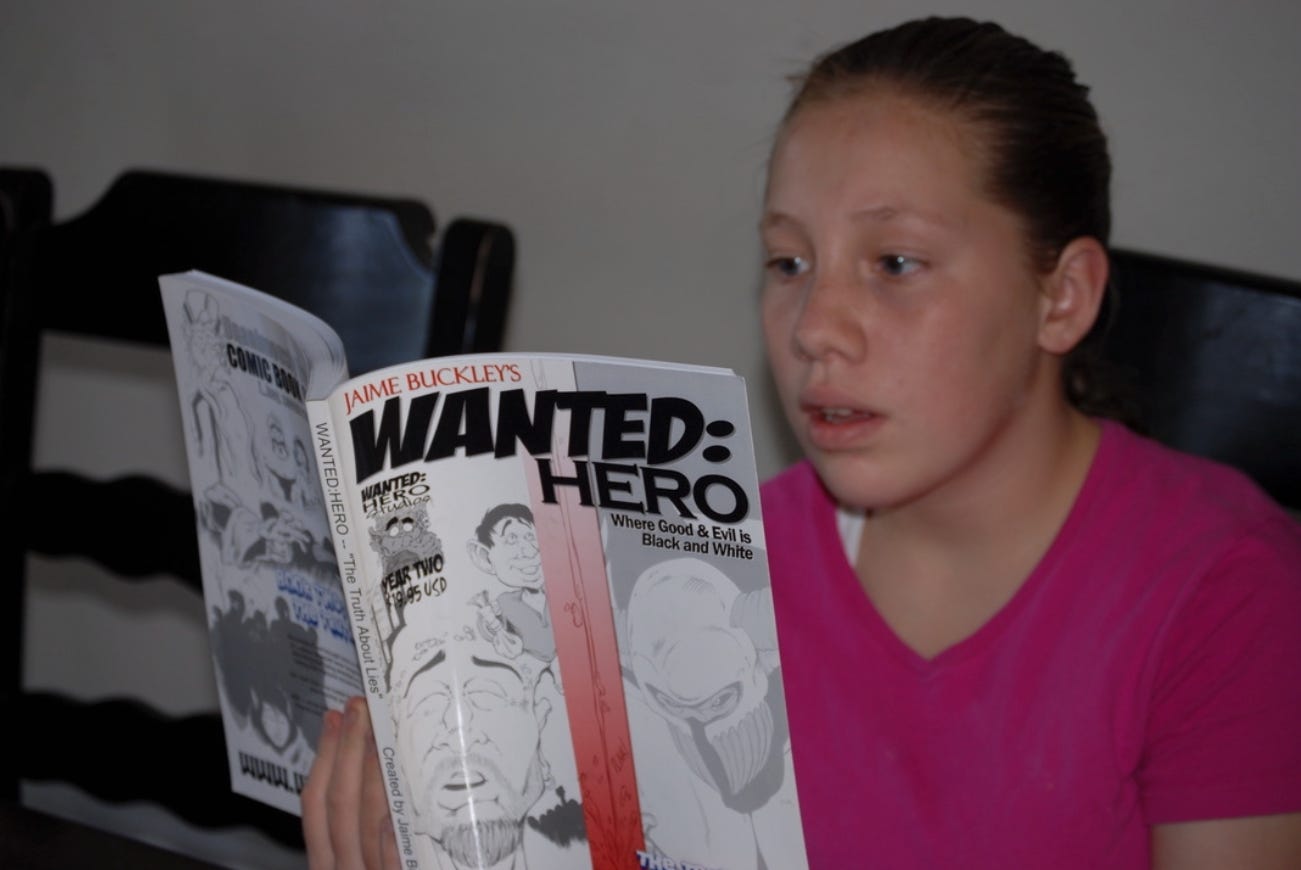
🧍♂️ Wendell: Shelter That Builds Grit
That’s one of the reasons readers connect so deeply with Wendell Dipmier.
He’s not powerful.
He’s not perfectly equipped for the battles thrown at him.
He fails—a lot—and there are moments when he completely breaks down.
But he never stays there.
He rests. He reflects.
And then… he rises.
There’s a point in Wendell’s journey where he’s lost almost everything that made him feel useful. The mission is foggy. His confidence is shattered. No one is telling him what to do anymore. And that’s when the silence sets in.
But fiction allowed Wendell—and readers right alongside him—to sit in that sacred pause.
Not to retreat.
Not to sulk.
But to reset.
To find his reason again.
To choose to get back up.
To walk forward, not because he felt strong… but because he knew the right thing still needed doing.
And that’s the kind of sanctuary fiction offers us when we’re in our own dark hallways.
Not an exit.
A foothold.
A steadying hand on your shoulder that says:
“You’ve rested. Now… go on. Take the next step. I believe in you.”
🧭 The Story Doesn’t End in the Sanctuary
And neither should we.
Feelings are important. But they are not the finish line.
They’re part of the path—but not the destination.
We don’t sit in stories forever. We move through them.
Fiction teaches us that the hero’s tears are real…
But they are followed by action.
Always.
We may cry. We may doubt.
But then—we rise.
That’s what fiction is for.
To remind us that we can be bruised and still move forward.
That courage doesn’t mean never being tired.
It means getting up anyway.
📚 Reader Stories: When Fiction Becomes a Lifeline
Over the years, I’ve had the privilege of hearing from readers—many of them young—who’ve opened up about what Wanted Hero, Bloodsticks, or Demoni Vankil meant to them.
They didn’t always say it directly.
Sometimes it came in passing.
Sometimes it was scribbled inside a letter.
Sometimes it was said in a whisper at a convention, when no one else was listening:
“Your story helped me get through something.”
“I saw myself in Wendell.”
“This gave me something to hold onto when nothing else made sense.”
They weren’t praising the prose.
They weren’t breaking down character arcs or analyzing plot twists.
What they were saying… was something much deeper:
“You built a place I could go… when I didn’t know how to keep going.”
That kind of feedback? It doesn’t inflate my ego. It humbles me.
Because it reminds me what fiction is really for.
💡 Fiction Reflects the Pain—But Doesn’t Leave You There
Stories don’t need to solve your problems.
Sometimes, all they need to do is prove that someone else understands.
These readers weren’t looking for answers.
They were looking for connection.
For safety.
For hope.
Fiction gave them a place to see their fears reflected—
without being consumed by them.
To name the numbness, the rage, the shame that the real world wouldn’t let them say out loud.
And sometimes, just knowing you're not the only one scared…
is what gives you the strength to stand up again.
That’s the secret:
Fiction doesn’t erase the fear.
It helps you carry it.
It gives shape to the darkness, so it doesn’t swallow you whole.
🧍♂️ Wendell: The Mirror with Mud on It
So many of these readers connected to Wendell not because he had all the answers—but because he didn’t.
He doubted himself.
He didn’t always get it right.
He stumbled, backpedaled, questioned everything.
But he kept moving.
He kept trying.
And to a teen who feels broken, or invisible, or like they’ve already failed too much?
That’s everything.
Because if he can make it through…
Maybe they can, too.
They don’t need a perfect hero.
They need a real one.
And sometimes, that character is the first proof a reader sees that they’re allowed to feel lost and still move forward.
🧭 A Story Can Be the First Step Toward Becoming
This is why I never take these letters, comments, or quiet conversations for granted.
Because I know that, in those moments, fiction became more than fiction.
It became a lifeline.
And not just to comfort someone in their storm—but to help them find the will to keep walking through it.
So when a reader says, “Your story helped me…”
They might really be saying:
“Your story gave me enough light to take one more step.”
“Your story reminded me I wasn’t weak for needing rest.”
“Your story showed me that survival is a kind of strength.”
That’s the real reward.
Not that someone liked what I wrote—
But that someone used what I wrote…
to survive.
🧠 The Science Behind Sanctuary
Fiction is more than a mental break—
It’s a biological balm and a psychological lifeline.
Therapists around the world now use what’s called narrative therapy—a technique that helps people heal by telling, reshaping, and reframing their own stories.
Why does it work so well?
Because the human brain is wired for story.
Stories give our minds structure.
They let us sort chaos into meaning.
And when we engage with fiction, especially immersive stories, it activates the same neural pathways we use to process our real-life experiences.
📘 How Fiction Acts as a Sanctuary for the Brain:
🧠 1. Narrative Therapy Helps People Heal Through Storytelling
Narrative therapy allows individuals to explore trauma, pain, and confusion through the lens of story—giving them safe distance, structure, and perspective.
“Stories help patients reinterpret their experiences and create healing from past trauma by assigning new meaning to them.”
– ScienceDirect: Narrative Therapy Overview
📎 URL for print:
https://www.sciencedirect.com/topics/neuroscience/narrative-therapy
📉 2. Reading Fiction Reduces Stress and Anxiety
According to a study conducted by The Queen’s Reading Room, reading fiction for just five minutes reduced stress levels by nearly 20%.
Other studies have shown it to be more effective than walking or listening to music for calming the nervous system.
“Reading can slow heart rate, reduce muscle tension, and lower cortisol levels.”
– The Bookseller, 2024: Fiction Significantly Reduces Stress
📎 URL for print:
https://www.thebookseller.com/news/reading-fiction-significantly-reduces-stress-queens-reading-room-study-finds
🌿 3. Fiction Triggers Parasympathetic Calm
When you’re absorbed in a fictional world, your body switches out of “fight or flight” and into the parasympathetic nervous system—the part responsible for calm, digestion, and healing.
This was demonstrated in a University of Sussex study, where reading for just six minutes reduced stress by up to 68%.
“Reading silently for even a few minutes can produce measurable relaxation.”
– Modern Diplomacy, 2024: Mental Health Benefits of Fiction
📎 URL for print:
https://moderndiplomacy.eu/2024/11/26/book-therapy-exploring-the-mental-health-benefits-of-reading-fiction
🌀 4. It Builds Cognitive Flexibility and Emotional Resilience
Reading fiction requires us to hold multiple perspectives, follow nonlinear paths, and understand unfamiliar motivations—stretching our brains to become more adaptable and empathetic.
“Fiction builds mental flexibility—the foundation of resilience and creative problem solving.”
– Psychology Today, 2025: The Transformative Power of Fiction
📎 URL for print:
https://www.psychologytoday.com/us/blog/power-and-influence/202503/ignite-the-transformative-power-of-reading-fiction
🧬 5. Fiction as “Mental Rehearsal” for Life’s Struggles
Immersive stories allow readers to simulate fear, grief, conflict, and hope without real-world risk—giving the brain a chance to process emotions before facing them.
It’s like building emotional muscles in a safe gym made of pages.
“Reading fiction offers rehearsal for navigating emotional and social complexities.”
– Academic Strive: Narrative Therapy and Emotional Processing
📎 URL for print:
https://academicstrive.com/ANPL/ANPL180060.pdf
📚 In Plain Terms?
Fiction gives us a soft place to land.
A place to explore what hurts…
To breathe before we break…
And to strengthen our souls before re-entering the fight.
🕯 The Sacred Silence Between Pages
There’s something holy about the space between pages.
That quiet pause when the world falls away…
No screens.
No voices.
No judgments.
Just the low rustle of paper, the steady rhythm of your breath, and a sentence that lands with weight like it was meant for you.
In that stillness, something remarkable happens:
You come home to yourself.
Not the version of you that’s busy surviving the day.
Not the version that’s trying to keep everyone else afloat.
But the you that aches.
The you that listens.
The you that still believes something beautiful might rise from the wreckage.
🛑 Silence Isn’t Emptiness. It’s Presence.
In a world that worships noise, silence is rebellion.
And reading—true, immersive reading—is one of the last sacred spaces where silence is both invited and protected.
Because between the turning of pages, you don’t just hear the story…
You hear yourself again.
It’s not passive. It’s not lazy.
It’s where the real work begins.
🧥 What Dresden Gave Us In the Quiet
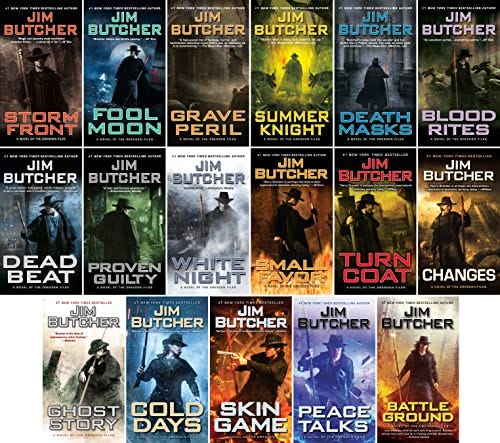
If you’ve read Jim Butcher’s Dresden Files, you know the action is fierce.
Magic. Monsters. Gunfire. Sarcasm as a defense mechanism.
But the moments readers hold onto?
They’re not just when Harry is fighting for his life.
They’re the moments when he’s not.
Sitting in the dark, bleeding and unsure if he did the right thing.
Staring at a wall in silence after losing someone.
Holding Mouse, not as a wizard or protector, but just a man who’s tired.
Quietly writing letters to his daughter, not knowing if he’ll live to deliver them.
It’s in those silent moments where Harry becomes more than a magical PI.
He becomes us.
Flawed. Hurting. Hopeful. Human.
That’s the sacred silence between pages.
It doesn’t demand that you fix anything.
It doesn’t require that you understand everything.
It simply says:
“You’re allowed to feel this. You’re allowed to rest here. And when you’re ready… you’ll know what to do next.”
✨ The Work Beneath the Stillness
Because that silence?
It isn’t empty.
It’s full of reflection.
Memory.
Self-examination.
It’s where the tears surface.
The hard questions arise.
The strength rebuilds—not because the story solved your problems,
but because it sat beside you long enough for you to solve them yourself.
Fiction does that.
And Dresden?
He teaches us that the stillness is where the man is forged—not just the wizard.
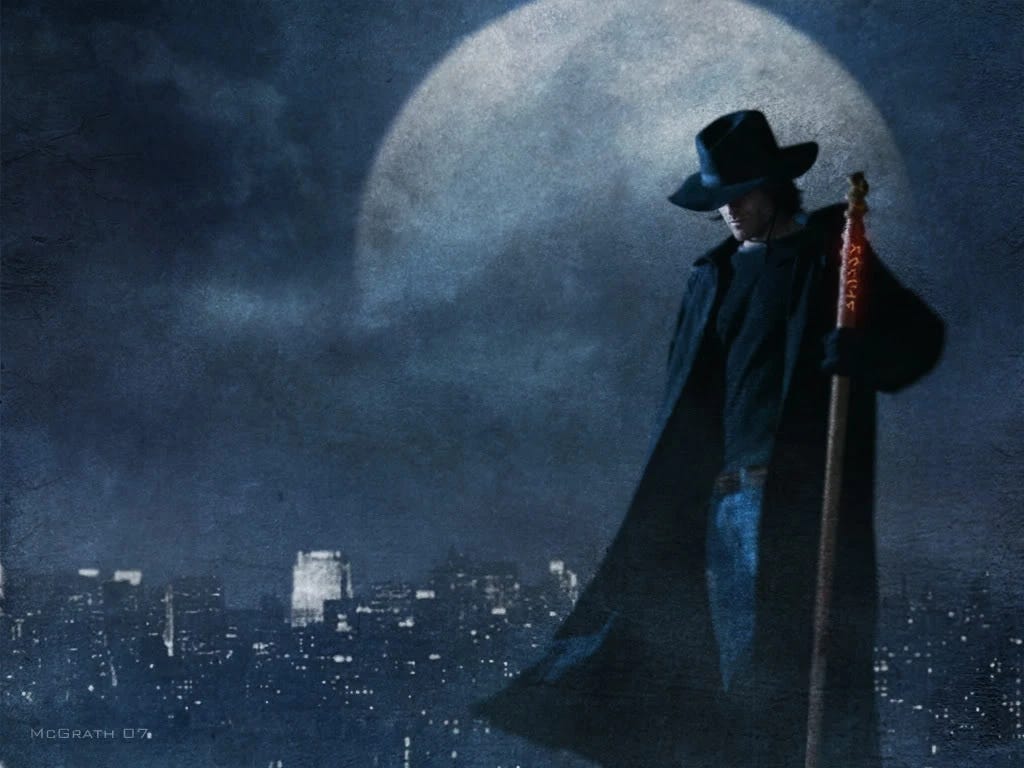
Harry often finds himself in moments of solitude and introspection that resonate deeply with readers. These quiet interludes reveal his vulnerabilities and humanity, allowing readers to connect with him on a profound level.
For instance, in Storm Front, Harry reflects on the therapeutic nature of walking during times of turmoil:
"When I'm in turmoil, when I can't think, when I'm exhausted and afraid and feeling very, very alone, I go for walks. It's just one of those things I do. I walk and I walk and sooner or later something comes to me, something to make me feel less like jumping off a building."
This passage illustrates how Harry uses solitude to process his emotions, providing readers with a relatable example of seeking clarity through quiet reflection.
In White Night, Harry discusses the nature of anger and passion:
"Anger is just anger. It isn't good. It isn't bad. It just is. What you do with it is what matters. It's like anything else. You can use it to build or to destroy. You just have to make the choice."
This moment of introspection highlights the internal struggles Harry faces and the conscious choices he makes, emphasizing the complexity of human emotions and the importance of self-awareness.
Furthermore, in Skin Game, Harry reflects on the fundamental human need for connection:
"There's power in the touch of another person's hand. We acknowledge it in little ways, all the time."
This contemplation underscores the significance of human connection and the comfort derived from simple gestures, resonating with readers who have experienced similar feelings.
These instances demonstrate that the silent spaces between the action in the Dresden Files are where readers truly connect with Harry. It's in these moments of vulnerability and introspection that readers find reflections of their own struggles and triumphs, making the narrative not just a tale of magical adventures, but also a mirror to the human experience.
💬 For Parents, Teachers, and Writers: Build the Sanctuary
If you’re raising kids, teaching minds, or crafting stories—
You’re doing more than guiding thoughts or shaping skills.
You’re building sanctuaries.
Whether you realize it or not, every story you tell… every book you recommend… every moment you take to sit beside a child and read aloud—it plants a door in their imagination.
A door they can return to when the world becomes too heavy.
A place to pause.
To question.
To believe again.
🪴 Parents: You’re Not Just Raising a Child—You’re Tending a Garden
When you place a book in your child’s hands, you’re not just handing them words.
You’re giving them tools:
To name what they feel.
To imagine who they could become.
To see beyond their pain.
Reading together—even for five minutes—tells a child:
“You’re safe here. You matter here. Your mind and heart are worth investing in.”
Sometimes, that single moment of shared silence will outlast every lecture they’ll ever hear.
📚 Teachers: You’re Not Just Teaching Lessons—You’re Handing Out Lifelines
You may never know which student needed that book you assigned.
Or which quiet kid clung to the story you read in class.
Or who found strength in the fictional character you believed in enough to share.
But trust me—they’re out there.
One of your students may be carrying a secret weight.
And one day, a sentence you read aloud might become the anchor that keeps them from drifting.
You’re not just delivering curriculum.
You’re lighting candles in dark rooms.
✍️ Writers: You’re Not Just Creating Worlds—You’re Opening Doors
When you write with truth and heart, your story becomes more than entertainment.
It becomes a refuge.
Even if your book only reaches one person…
Even if they never write you…
Even if they never say thank you—
Your words may be the reason they took one more breath.
One more step.
One more chance at living well.
Fiction is immortal.
And every time you write with empathy, you build something that outlives you—a shelter someone else may someday call home.
🧭 The Truth Is…
You won’t always see the impact.
You won’t always hear the outcome.
But somewhere, someone is holding your story like a lifeline.
Some young mind is curling up with a book you handed them.
Some struggling soul is exhaling in the sanctuary you helped build.
And that might be the moment…
They start breathing again.
🏗 You Are Not Small in the Work You Do
You may never know their names.
You may never see their tears.
You may never hear the moment when your story—your book, your classroom, your bedtime voice—became their anchor in a rising storm.
But that moment will come.
And when it does, they won’t remember the formatting.
They won’t care about perfect grammar or clever plot twists.
They’ll remember that someone built them a door.
And on the day they needed it most…
They walked through.
You are not small in the work you do.
You’re building invisible sanctuaries.
And those sanctuaries matter more than you will ever know.
So keep raising them.
Keep teaching them.
Keep writing for them.
Because every word is a beam.
Every story is a brick.
And every quiet moment between pages is a place where someone, somewhere, will finally feel safe enough…
…to stand up again.
You can do this.
Because why? Come on, say it with me this time….
✨ You are MORE than you THINK you are.
That’s right!
Now go transform the world.
— Jaime
NEXT TIME: The Role of the Hero: Why Kids Need More Than Superpowers
THANK YOU: For reading why I do what I do.
If you’ve missed the series, here are the Why Fiction Matters links:
🌌 What If Wonder Is the Missing Ingredient in Every Great Story?
✨ The Stories We Tell Aren’t Harmless. Sometimes, They’re Everything.

I hope you liked this article, because it's my favorite so far in the series.
Shed many tears over it. Very personal.
I was granted sanctuaries MANY times in my life.
Still happens at times.
...thank goodness.
This was beautifully said. It spoke to my soul. Whether it’s fiction or non-fiction, books have always felt like sacred portals—where characters mirror back parts of me I didn’t even know I needed to see, and where new perspectives quietly offer answers to life’s questions I didn’t realize I was asking. Thank you for honoring the sacred space that stories—of all kinds—hold for us.